

Short term loans online explained
Many direct lenders offer short-term loans in the UK. Designed to provide an amount of money as fast as possible, these loans are helpful for when you suddenly find yourself needing extra funds. Ideal for emergencies like a car or home repairs, short-term loans allow you to quickly borrow the money you need. Because such loans are often needed suddenly and quickly, many direct lenders now offer short-term loans online. These loans enable you to use your smartphone, tablet or laptop to apply. They are available almost anywhere and anytime.

Instant online loans are similar to traditional methods of getting loans in asking for the same information. Likewise, your application will also involve a credit check to gauge the affordability of the loan. However, unlike traditional applications, everything is done online. Meaning there is minimal form filling and your application will be processed much quicker. You can often get the money you need the same day; often within minutes of you applying.
A short-term loan is what it says, with the money you borrow usually required to be paid back quickly. This repayment period is often around three months. However, because these loans are specifically designed to be repaid over a much shorter period, they often feature a higher APR. As such, we recommend that you only use a short-term loan to fix short-term financial problems and not to solve a longer-term issue.
Short term loans also do not require a guarantor.
Different Types of Short Term Loans






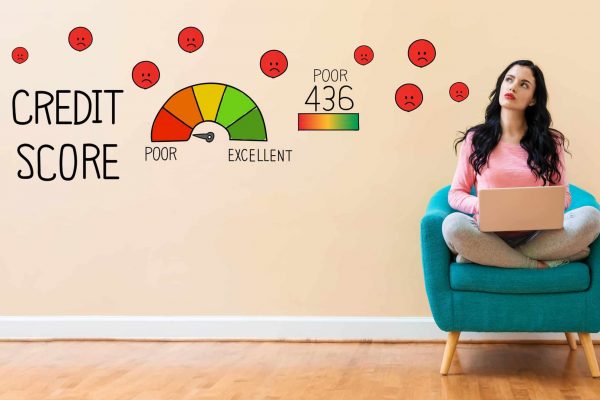



Can I get a short-term loan with a bad credit score?
Yes. Many of the lenders that we work with offer competitive, short-term loans for people with bad credit. This is due to the fact direct lenders have realised the old ways of reviewing an application, such as relying solely on credit scores, are outdated. As such, direct lenders in the UK provide loans for people with poor credit. Because of this, you now have a greater choice than ever before; and therefore have a higher chance of finding the best short-term loan for your needs.
Thanks to the increased competition among lenders, people with bad credit can now get more favourable repayment terms. Direct lenders are fully authorised and regulated by The Financial Conduct Authority, so a customer is certain that the lender will be sincere regarding every aspect of the loan also that they follow all ethical lending practices.
Will I need a guarantor if I have bad credit and need a loan?
Most of the direct lenders that we work with provide bad credit short-term loans for people who do not have a guarantor. By completing an application online, New Horizons will search the market to find you the most suitable bad credit short-term loans available for your circumstances.
Short term loans- How much can I get, and when do I have to repay?
Short-term loans have been specifically created to help people in emergency situations. Understanding that a person can suddenly find themselves in need of cash, direct lenders have created a variety of short-term loans. These loans have been designed to help you with a short-term money problem and are therefore often required to be paid back over a short time.
Short-term loans are similar to other types of loans, such as payday loans, in regards to the amount of money you can borrow and the time you have to repay it. In general, most direct lenders in the UK offer short-term loans for amounts of up to £5,000. The repayment period for such loans is usually around three months. Of course, as with other types of loans, many direct lenders will offer a certain amount of flexibility regarding the repayment period, and so it is always best to check with a lender regarding any special requirements you may have.
If used responsibly and repaid within the designated time, these loans can be a useful and often not so expensive way of solving an urgent money problem. However, similar to other types of credit, problems can arise if you fail to make repayments in the time agreed. This problem can be heightened because of the high-interest rates short-term loans often feature. As such, we always recommend that you only borrow what you need and when you are sure that you can repay the money at the time agreed.
Why do you ask for my bank details?
All of the direct lenders on our panel, require a customer’s bank details, enabling them to do an identity check. They do not require you to send any information to them, such as passport or driving licence, proving who you are, as they have been able to verify this online. Also, and just as importantly, this will be where they send your loan to and collect repayments from if you take out a loan.
Who can provide the best short-term loans for my circumstances?
Seemingly a straightforward question to answer, yet because of the dreaded credit score, the often unrealistic criteria of lenders, many people simply looked for a direct lender that would say yes rather than one which offered the right short-term loans for their situation. Thankfully, the situation is changing. Understanding that people and their requirements are often unique, many UK lenders now have a diverse selection of short-term loans designed for people with both good and bad credit histories. Considering on a person’s current financial situation rather than their credit score, direct lenders are now delivering short-term instalment loans for people who in the past would have been declined such loans. Due to increased competition in the market, there is more choice than ever regarding which lender is best for you.
To ensure you get the very best deal, New Horizons have created a panel of lenders, all offering short-term loans and bad credit loans. By completing one quick and simple application, we search the market to find you the best deal. Our lenders all use soft search technology, meaning we can find you the best short-term loan, without impacting your credit file. If you need a quick loan, you are in the right place. Most of our lender partners also do not require a guarantor.
Are short-term loans regulated?
Yes, short-term loans are very heavily regulated. All lenders have to be authorised and regulated by The Financial Conduct Authority and as such have to adhere to certain practices around how they advertise, how they conduct themselves, the price of the loans they offer and their collection practices. The FCA has made it much more challenging to obtain a consumer credit licence, the oversight they have and the policies and procedures they have made the lenders and brokers put into place have made the Short-term loan sector much more controlled.
If you need money quickly, a short term loan could be right for you, even if you have a poor credit rating.
What short-term loans offer easy repayment terms?
The simple answer to this is that most lenders today offer easy repayment terms. All lenders are authorised and regulated by The Financial Conduct Authority so they must provide full clarity across every detail of their loans, including repayment terms. As a loan broker, New Horizons does not tie themselves to any one lender. Therefore, we ensure we find the best short-term loans for your specific requirements.
The majority of lenders we deal with offer short-term loans with easy to follow repayment terms. These repayment terms are often simple; repay the money after approximately one month. However, lenders understand that this is not always the best solution for your financial needs, and there are therefore now a large variety of short-term loan repayment plans available which differ in regards to how long you have to repay. Whether you are looking for a short 1, 2 or 3-month repayment period or even longer, we will show which lenders are best suited to your needs. To make repayments manageable, most loans involve repayments being taken out of your account by direct debit on a set date.
What is GDPR and how does it affect my data?
The General Data Protection Regulation is a new, European-wide law that replaces the Data Protection Act 1998 in the UK. It places more significant obligations on how organisations handle personal data. New Horizons is fully GDPR compliant.
For further information on GDPR visit the Information Commissioner’s Office
What if I can’t make a short term loan repayment?
As with all loans, if you repay your short-term credit to the direct lender when agreed, there are no hidden charges and everything is relatively simple. Problems only arise when you have difficulty repaying a loan. As a result, you must be very careful when agreeing to a short-term loan. Firstly, you must ensure that you only borrow what you need. These loans often have a high APR, therefore the more you borrow, the more you will have to repay. Secondly, short-term loans often require the money you have borrowed to be paid back very quickly. As such, you must ensure that you only borrow what you know you can pay back in the time stipulated. This aspect of a loan can often be difficult to calculate. It can lead to problems where people have overlooked other expenses and suddenly find themselves unable to make a repayment.
Most lenders these days understand that unexpected problems can arise when it comes to money, particularly in regards to the sudden need for extra cash these loans are designed to be used for. Therefore, if you take out a loan and later realise you may have difficulty making the repayment in the set time, it is recommended you talk to your lender immediately. Strict regulations are covering such situations which are designed to help and protect you if this should happen. Furthermore, many licensed lenders are often sympathetic to such problems and will do everything they can to help find a solution.
If you are struggling with your debts and require assistance, you can speak to the companies below, free of charge.